
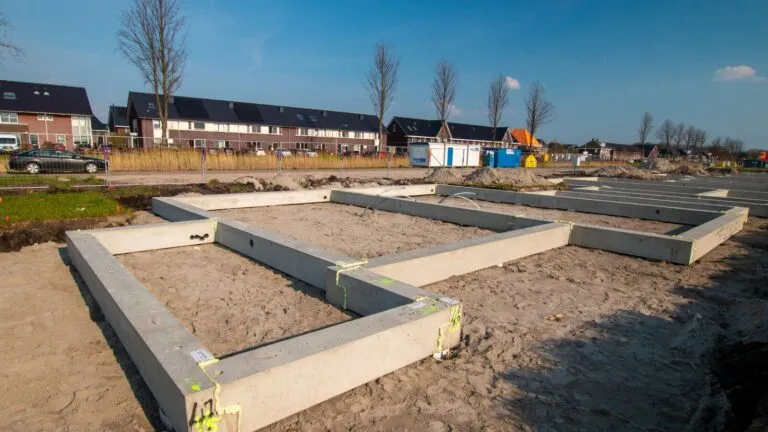
Do prefab homes need a foundation?
Why a foundation matters
Most permanent prefab homes need a permanent, engineered foundation. That choice affects cost, timeline, financing eligibility and long-term performance.
A sound foundation distributes weight, anchors the home against wind or seismic movement, and shapes access to utilities and protection from moisture or flooding.
Common foundation options
Slab-on-grade suits flat, well-drained sites; crawl spaces allow easier utility access; basements add usable or storage space; pier, pile and elevated systems can suit soft soil, slopes or flood-prone locations.
The foundation must match the home’s structural connections. Some modular systems are not designed to sit directly on a slab, so confirm the engineering before concrete is poured.
Check the site and local rules
Soil, frost depth, drainage, flood exposure and slope all affect foundation choice and budget. Investigate the lot and local permit requirements before finalizing an order.
Factory-built elements and the on-site foundation must align precisely. Coordinate connections, anchors and utility locations with the structural drawings.
Coordinate factory and site schedules
The foundation should be built, inspected and cured before the home arrives. The manufacturer and local contractor need to review foundation drawings, structural connections and utilities together.
The original article says the manufacturer builds the home while the buyer or their local contractor is responsible for the foundation; confirm the actual scope and costs in the quote and contract.